
Estrogen is not just a period hormone.
It protects your brain, your bones, your heart, your bladder, your sleep, and your skin. When it starts to fall, and it can start in your 30s, all of those systems feel it. For up to 5 to 8 years before your periods even change. Most women spend those years going to 6 different specialists. Getting 6 different prescriptions. With nobody connecting the dots. This course is the connected picture.
20 videos · Yours to keep · One live group Q&A with Dr. Roshani
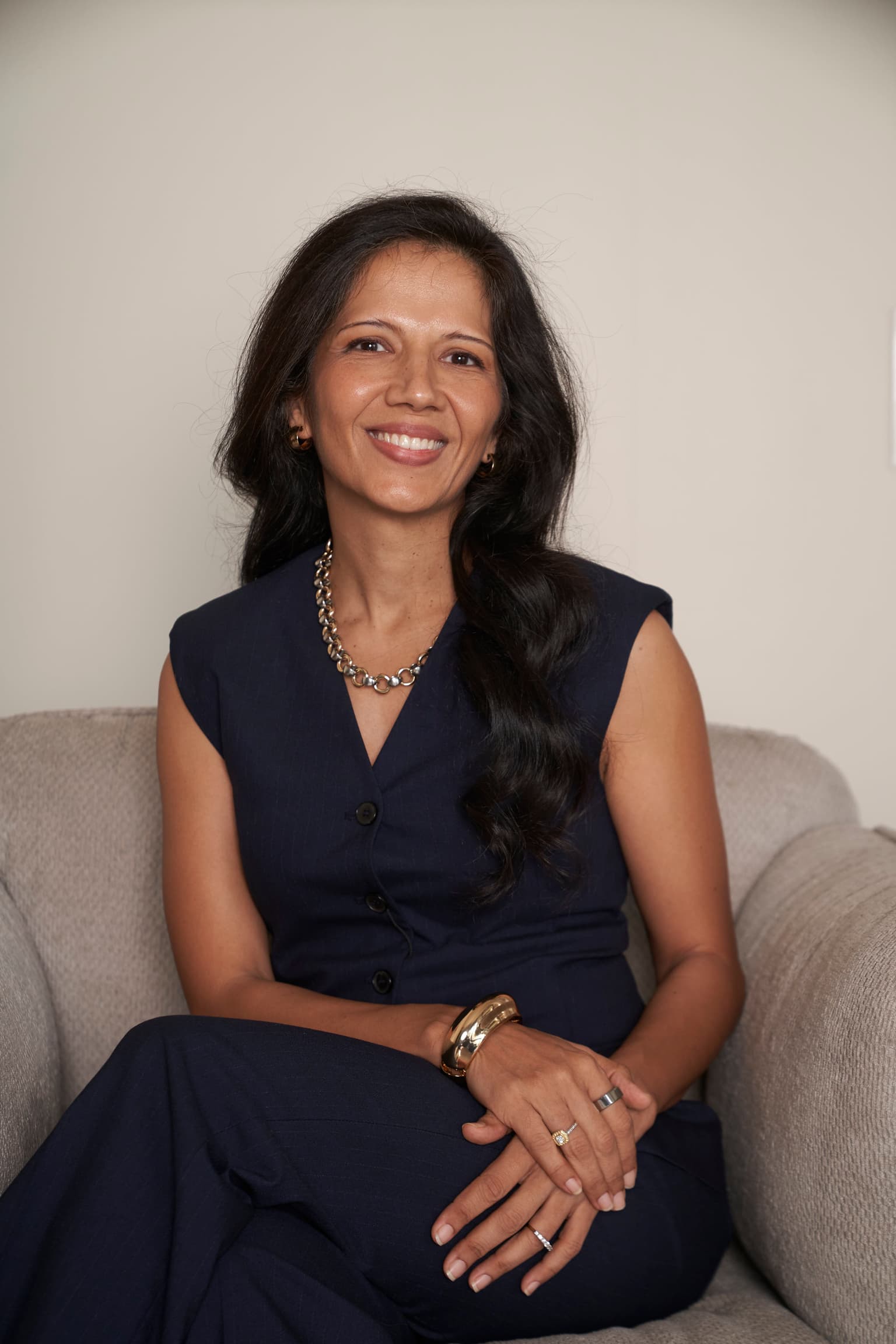
Every symptom gets its own prescription. Nobody connects the dots
Here is what happens to many women in perimenopause. Sleep becomes disrupted, she gets a sleep aid. Her mood drops, she gets an antidepressant. Weight accumulates around the belly, she gets offered a GLP-1. Each symptom, one prescription. Nobody zooming out to say: Oh gosh, this is perimenopause. Let’s get to the root of the problem.
The root is estrogen loss. And estrogen goes through the entire body. It doesn’t just affect female anatomy. It affects mood, brain, sleep, memory, skin, muscle, bone, appetite, fat, and insulin. All of these systems feel it when estrogen starts to fall.
This disconnection (six specialists, six prescriptions, no one connecting the dots) is what this course was built to address.
What actually harms women in midlife, and what actually helps
Heart disease is the leading cause of death in women. Not breast cancer.
Hip fractures kill more women in the year after the fracture than breast cancer kills in the year of diagnosis.
Both are driven by estrogen loss. Both are addressable, with the right information and the right clinical approach.
And yet most of the conversation about perimenopause centers on hot flashes and mood swings. The deeper systemic consequences of estrogen decline (to brain health, bone density, cardiovascular health) are almost never discussed in a standard gynecology or doctor’s appointment.
They are discussed in this course.
The fear of HRT was built on the wrong study
The Women’s Health Initiative used synthetic hormones derived from pregnant horse urine. The average age of participants was 63. Nearly half smoked. Seventy percent were overweight.
That study was never about the woman reading this page.
In November 2025, the US FDA removed the black box warning on HRT that had been in place since 2003.
Leading medical journals have stated that hormone therapy may be among the most impactful interventions available for older women’s health outcomes.
“I’m a happy user of transdermal estrogen and progesterone, about a year and a half now, doing very well on the combination. And there is enough evidence today which suggests a reduction in diabetes and better control of blood sugars for women who are hormone users.”
This is not a theoretical recommendation. It is a clinical position held and lived by the doctor teaching this course.
20 videos. The full picture
Everything you were never told, in the order that makes sense.
The biology of perimenopause
Why symptoms scatter across specialties, what is actually driving them, and why conventional medicine is structurally unsuited to treating a condition that affects every system simultaneously. This is the foundation chapter: everything else builds on it.
The truth about HRT
The full Women’s Health Initiative breakdown: what the study actually showed, why it was misapplied, and what modern bioidentical hormones are. The 2025 FDA update: what it means and what it doesn’t mean. The evidence base for hormone therapy in women who are perimenopausal or recently postmenopausal.
The practical chapter
Estradiol gel, patches, vaginal estrogen, oral micronized progesterone, progesterone IUD: what each one does, how it is monitored, what to watch for, and what to ask your doctor. This is the chapter most women have never had access to: a clinician explaining the options in plain language, without the agenda of a pharmaceutical company or the fear of a liability lawyer.
The lifestyle foundation
The Four Wheels framework (Nutrition, Sleep, Stress Management, Exercise) applied specifically to perimenopause. Dr. Roshani’s clinical position: no medication decision should be made before the lifestyle foundation is in place. This chapter shows what that foundation looks like in practice, and why the sequence matters.
Also included with your enrollment
The live session recording
The full audio recording of the live learning and Q&A session is already uploaded and included in the course.
One more live Q&A with Dr. Roshani
Date to be confirmed. Included in the course at no additional cost.
Ongoing additions
As the science on menopause evolves, the course is kept up to date.
Is this course for you?
This course is for you if:
- You are in your late 30s, 40s, or 50s and noticing changes you cannot explain: in your energy, your sleep, your weight, your mood, your memory, or your body
- You have been told your symptoms are “just stress” or “just getting older” and you know something more is happening
- You want to understand the biology before you make any decision about hormone therapy
- You are already on HRT and want to understand what you are taking and why
- You are not on HRT and want to make an informed choice about whether it is right for you
- You believe that understanding your own biology is the first step to managing your health
This course is probably not the right fit if:
- You are looking for a one-size-fits-all protocol to follow without understanding the reasoning
- You want a quick answer without the biology behind it
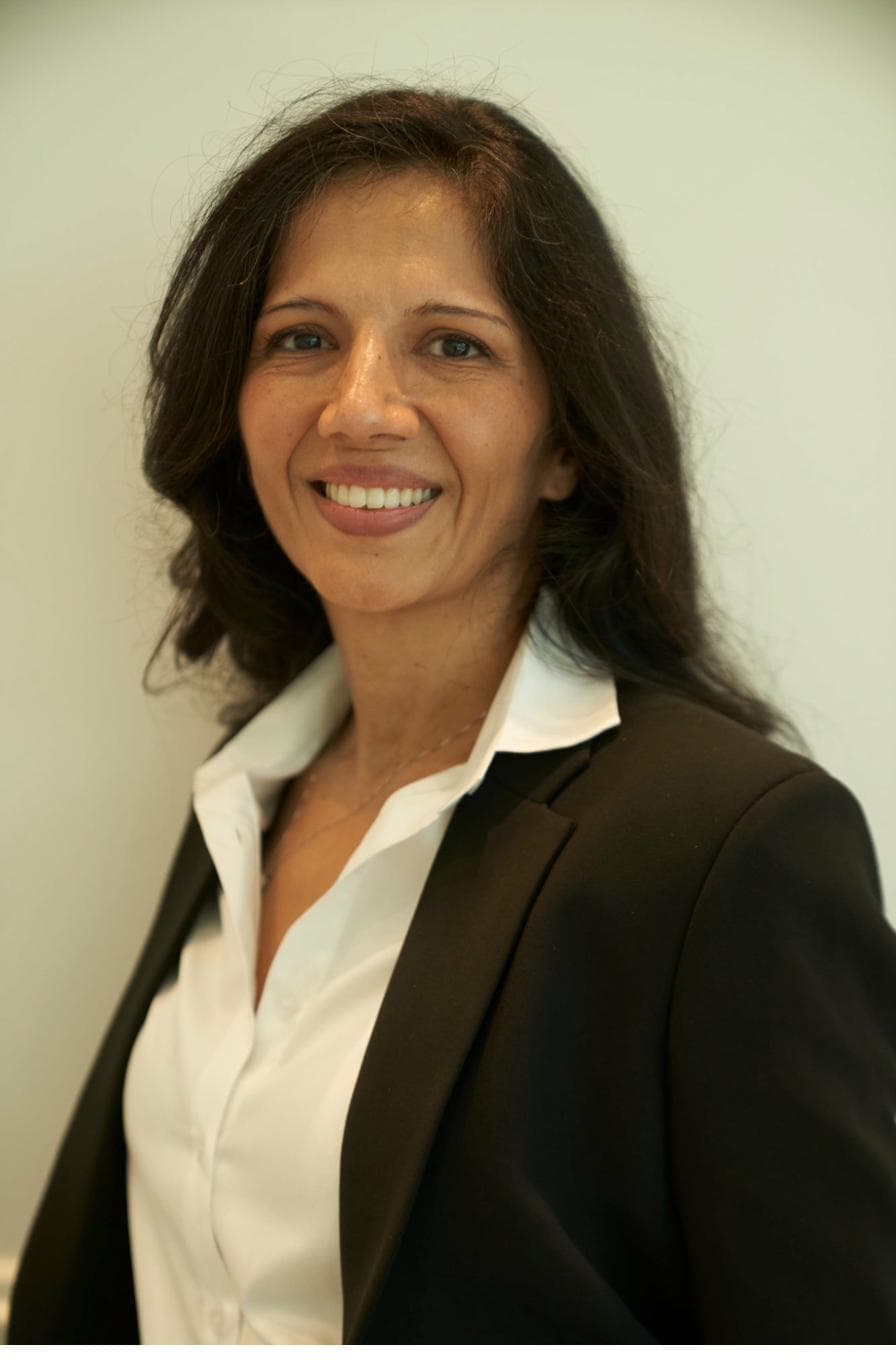
“You're the expert in your life. I'm the expert in hormones.”
Dr. Roshani Sanghani
American Board-Certified in Endocrinology, Diabetes, and Metabolism
In perimenopause, your hormones and your metabolism change at the same time. You want one specialist who treats both. Dr. Roshani has spent over a decade at the intersection of endocrinology and lifestyle medicine, working with women managing diabetes, PCOS, thyroid conditions, weight, and now perimenopause, often simultaneously.
The hormonal shifts of perimenopause interact directly with insulin resistance, thyroid function, metabolic health, and the systems she has been managing clinically since 2013.
She is the author of Turn Around Diabetes (2024), endorsed by Dr. Jason Fung, Dr. Eric Westman, Dr. Medha Munshi of Harvard Medical School, and William R. Miller, co-founder of Motivational Interviewing, under whose methodology she trained. She is a member of the Society of Metabolic Health Practitioners.
American Board-Certified in Endocrinology, Diabetes, and Metabolism·American Board-Certified in Internal Medicine·MINT-Certified Motivational Interviewing Trainer·Certified Personal Trainer
20 videos. Yours to keep. The picture nobody gave you. Until now
What’s included:
- 20 expert videos by Dr. Roshani Sanghani
- The full WHI breakdown and 2025 FDA update
- The practical guide to HRT options
- The Four Wheels lifestyle framework for perimenopause
- Live session recording (already uploaded)
- One live group Q&A with Dr. Roshani
- One payment (the complete 20-video course)
One purchase. The course is yours to keep. Watch and rewatch at your own pace.
Refund policy
Because you receive complete, immediate access to every lesson the moment you enroll, course purchases are non-refundable. Please decide with full confidence first: read through what each module covers, and email connect@reisaanhealth.com with any question before you buy.
Frequently asked questions
Yes. And arguably most relevant at that point. Perimenopause can begin affecting the body 5 to 8 years before periods change. Understanding the biology before symptoms become disruptive means you are informed when the decisions matter, rather than reacting after the fact.
It is about understanding your options, not prescribing a decision. Dr. Roshani’s position is that no medication decision should be made before the lifestyle foundation is in place, and that the decision about hormone therapy should be made by an informed woman working with a clinician who understands the current evidence. The course gives you the biological understanding and the clinical context to have that conversation properly.
Yes. The practical chapter explains what different forms of hormone therapy do, how they are monitored, and what to watch for. Many women on HRT have not had this explained to them clearly. The course provides the context most prescribing clinicians do not have time to give.
No. The biology of perimenopause is universal. The course is taught by Dr. Roshani, whose practice focuses on people of Indian origin, and some cultural references reflect that, but the content applies to any woman navigating perimenopause or wanting to understand it in advance.
Yes. All 20 videos are available immediately after purchase. There is no schedule or deadline. The one live Q&A session will be scheduled and announced. If you cannot attend live, a recording will be available.
Because you receive complete, immediate access to every lesson the moment you enroll, course purchases are non-refundable. Please decide with full confidence first: read through what each module covers, and email connect@reisaanhealth.com with any question before you buy.
Keep going
- Women’s Health & PCOS programfor women managing hormonal conditions with clinical support
- Turn Around Diabetes Nutrition coursethe metabolic science of diabetes and food
- Freedom From Cravings & Dieting coursethe biology of cravings and the psychology of eating
- Turn Around Diabetes (the book)Dr. Roshani’s full clinical and personal synthesis
- All courses
This course is education, not medical advice. Always work with your own doctor on any change to your medication, and before making significant changes to your diet. Individual results vary. Reisaan Health and Aasaan Health LLC disclaim liability arising from use of the information in this course.
Contact: connect@reisaanhealth.com