Your periods, your weight, your skin - they're connected. An endocrinologist can show you why.
A 3-month program led by Dr. Roshani Sanghani - American Board-Certified in Endocrinology, Diabetes, and Metabolism. She reviews PCOS as one endocrine-metabolic pattern, not as separate symptoms treated in isolation.
★ 4.8 · 234 Google reviews · 20+ years clinical experience
First Consultation
A hormonal pattern review before you decide.
Two women with the same PCOS diagnosis can have different drivers. This consultation is where Dr. Roshani reviews the full endocrine-metabolic picture, then tells you what she sees.
First Consultation: ₹5,000 / USD 60
- Cycle and symptom timeline
- Insulin levels and androgen markers
- Thyroid function and metabolic markers
- Medication history
- Food, sleep, stress, and exercise
- Weight pattern
You leave knowing which drivers are most relevant in your case, and whether the 3-month program is the right next step. The consultation is the clinical clarity step, not program enrollment.
PCOS is a hormonal syndrome, often driven by insulin resistance that raises androgen levels and disrupts ovulation. There is no cure, but the hormonal pattern behind the symptoms can improve under clinical supervision.
Medically reviewed by Dr. Roshani Sanghani, American Board-Certified in Endocrinology, Diabetes, and Metabolism ·
Watch: PCOS with Dr. Roshani
PCOS was never only about your ovaries.
You can meet the diagnosis without a single cyst on a scan. The pattern runs through hormones, insulin, metabolism, skin, and weight - which is why, in 2026, medicine renamed it from PCOS to PMOS to reflect the fuller picture. Most people will still call it PCOS, and so will we.
Stop treating the pieces separately.
A gynaecologist may manage your periods. A dermatologist may treat your acne. A nutritionist may give you a plan for the weight. Each one may be trying to help. But PCOS does not live in one symptom.
Along the way, you may have been told it is stress. Or that you just need to lose weight. Or that PCOS is something you keep managing with the pill or metformin - not something that gets better. Maybe you tried inositol supplements. A gluten-free protocol. An app that tracked your symptoms but never explained what was behind them.
And yet: the periods are still irregular. The weight stays. The skin flares. Facial hair increases. Hair on your scalp thins. Your reports, medicines, weight, skin, hair, and cycle history have rarely been read as one clinical picture.
The missing review is often the pattern between them.
- Periods, skin, weight, and fertility have been treated as separate problems
- Supplements, apps, diet plans, or protocols have not explained the hormonal pattern
- Hormonal panel, medication history, thyroid, insulin, and symptoms have not been reviewed together
- You want lifestyle work and medication decisions supervised by a doctor who understands hormones
First, find the driver. Then change the pattern.
For many women with PCOS, insulin resistance is part of the pattern. Elevated insulin can stimulate excess androgen production, which can disrupt ovulation, worsen acne, and affect hair growth.
Dr. Roshani reviews your reports, medication history, symptoms, and lifestyle data before building the sequence. Nutrition, sleep, stress, and exercise are not generic advice here. They are used to change the hormonal conditions underneath the symptoms.
This applies whether or not weight is your main symptom - lean PCOS is treated here too.
PCOS does not mean pregnancy is impossible.
For some women, ovulation becomes more regular when insulin resistance is addressed and androgen levels come down. Fertility still depends on more than PCOS, so this is clinical context - not a promise.
And if you do not plan to have children, this program is still about your overall hormonal health. You do not need a fertility agenda to deserve it.
If a GLP-1 is part of your care
Dr. Roshani uses the program to build the lifestyle foundation underneath medication: what changes while you are on it, what needs monitoring, and what should stay in place if your medication plan changes. Lifestyle and medication are not opposites.
First Consultation ₹5,000 / USD 60 · Online worldwide · In-person in Mumbai
What changed when the full pattern was treated
Revathy
PCOS · Since puberty
Had accepted it as permanent · Life-changing decision to consult
“I have had PCOS and its symptoms since puberty and had mostly accepted them as something I had to live with. I consulted Dr. Roshani as a ‘last resort’ - and what a life-changing decision it was!”
Sona
PCOS · Hormonal + metabolic
1 month · Hormonal and metabolic issues reviewed · Less diet-chart stress
“I consulted them for PCOS and hormonal issues causing high fat %, high cholesterol and high TSH. Following their guidance worked wonders for me when all other attempts were failing. I no longer stress out over diet plans and calories and have seen a positive impact on my overall well-being in just a month.”
Sonu
PCOS · Irregular periods
5 months · Periods regular without medication · Weight down
“I suffered from irregular periods from the very onset. I used to rely on medicines to get my periods on time. Without prescribing a single medicine, she helped me lose weight by making slight modifications to my diet. Now, after 5 months, my periods are also regular.”
Saumya
PMOS · 3-month program
Science explained · Expectations clear · Less fear
“Dr. Roshani and her team are very thorough and direct, and clear with their expectations of the program (targeting insulin resistance through increasing protein), and their videos explaining the science behind everything taught me a lot. If you're struggling with insulin-related issues (mine is PMOS), then I strongly recommend having a chat with them. Three months is not long enough to change completely, but I definitely feel more comfortable approaching a sustainable lifestyle and trying out new health-related things without fear.”
How to start - and what happens next.
Before the consultation
Share your reports, medicines, cycle history, symptoms, and lifestyle questionnaire so the team can review the pattern before you speak.
First Consultation
₹5,000 / USD 60
A 30-minute consultation with Dr. Roshani, in person in Mumbai, or online by video from anywhere in the world. You leave knowing what she sees and what a realistic next step looks like.
If the fit is right
The 3-month program begins only after that decision, with app logging, video consultations, weekday chat support, medication review, and Dr. Roshani’s PCOS course.
Reisaan app
Log food, sleep, exercise, and daily patterns. Your data feeds directly into Dr. Roshani’s clinical record.
Video consultations
Every 10–12 days with Dr. Roshani and the coaching team to review progress, adjust the plan, and connect what your body is showing with what changes next.
Weekday chat support
Via Telegram, Mon–Fri. Your coach responds to your data and your questions, not a script.
Video course
Dr. Roshani’s course covering PCOS, insulin resistance, androgens, and the lifestyle framework. Three months access, self-paced, with quizzes.
Medication management
India: Dr. Roshani manages directly, including Metformin, oral contraceptives, and other PCOS-related medications. International: clinical guidance you can take to your local prescriber.
Care coordination
If a gynaecologist, fertility specialist, dermatologist, or another clinician is involved in your care, Dr. Roshani can coordinate the medical picture.
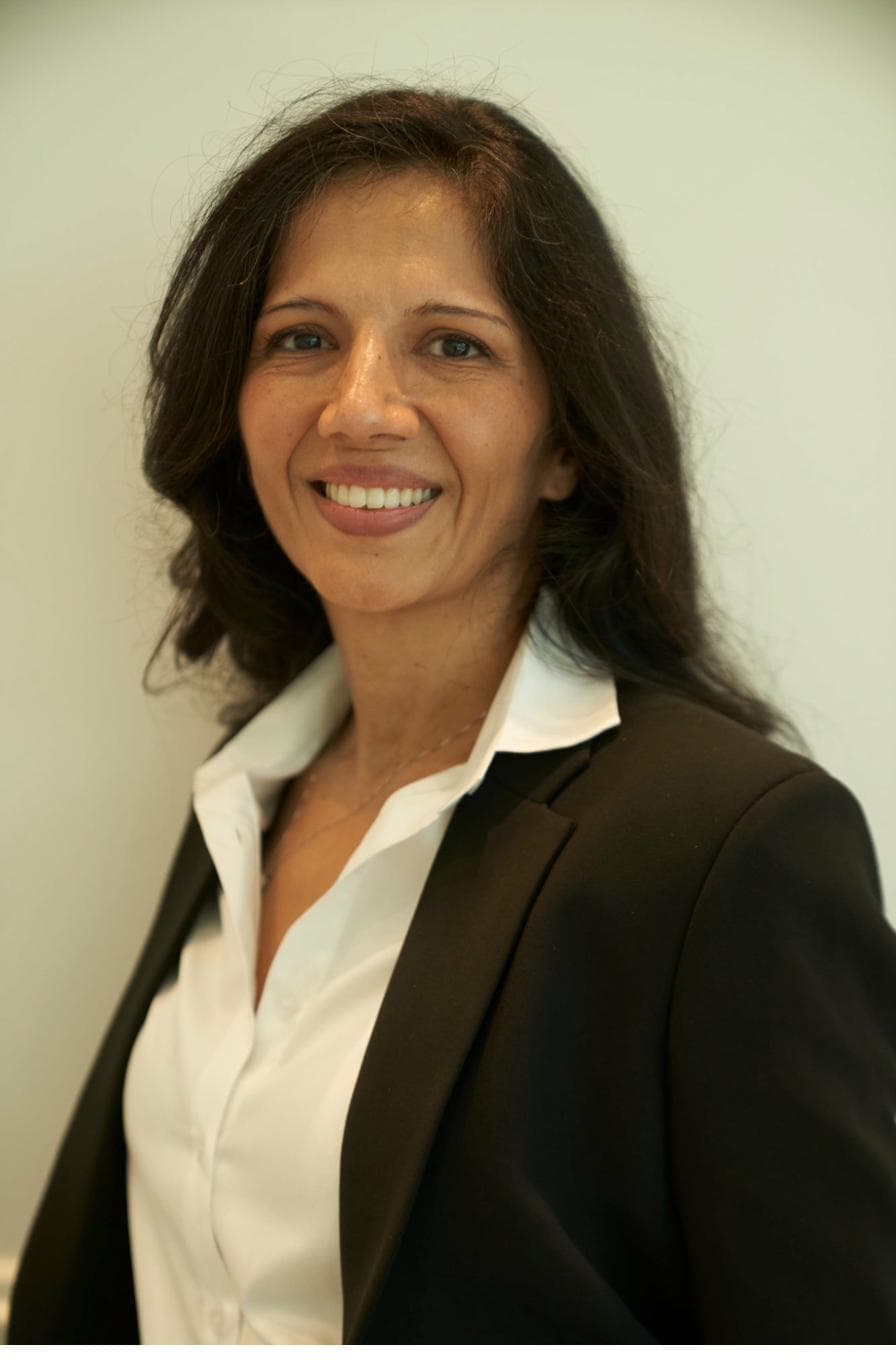
“Dr. Roshani has simplified the steps of reversing metabolic disease and covered every aspect of lifestyle change that people need. A potential life changer.”
- Dr. Jason Fung, nephrologist, NYT bestselling author of The Obesity Code and The Diabetes Code
Meet your doctor
Dr. Roshani Sanghani
American Board-Certified in Endocrinology, Diabetes, and Metabolism
PCOS sits where hormones, metabolism, medication, and daily life all meet. You want one doctor who can read all of it together.
That is Dr. Roshani's clinical core: over 20 years of lifestyle-first endocrinology, American Board-Certified in Endocrinology, Diabetes, and Metabolism, and a MINT-Certified Motivational Interviewing Trainer. Lasting change comes from clinical review, supervised medication decisions, and understanding what your body is responding to.
American Board-Certified in Endocrinology, Diabetes, and Metabolism·American Board-Certified in Internal Medicine·MINT-Certified Motivational Interviewing Trainer·Certified Personal Trainer·Author, Turn Around Diabetes (2024)·KEM Hospital, Mumbai · Internal Medicine training (US)·Member, Society of Metabolic Health Practitioners·Invited speaker - Symposium for Metabolic Health (San Diego), Metabolic Health Conference (India, all 4 editions), HN Reliance Foundation Hospital
View full credentials →Frequently asked questions
PCOD, PCOS, PMOS - what the names mean
PCOD
- What it stands for
- Polycystic Ovarian Disease - the older, informal term many people still search.
- What it implies
- A “disease” caused by ovarian cysts.
- Is it the right term?
- Not the term clinicians use. It is not a disease, and it was never only about cysts.
PCOS
- What it stands for
- Polycystic Ovary Syndrome - the established clinical diagnosis.
- What it implies
- A syndrome with hormonal and metabolic features, not just cysts.
- Is it the right term?
- The term most doctors use today. You can meet the diagnosis without cysts on a scan.
PMOS
- What it stands for
- Polyendocrine Metabolic Ovarian Syndrome - a 2026 international consensus rename.
- What it implies
- Endocrine, metabolic, and ovarian - the full picture.
- Is it the right term?
- Where care is moving. Most patients will still know it as PCOS for now.
About PCOS, PMOS, and the approach
There is no cure for PCOS, and “reversed” is not the word an endocrinologist would use. But the hormonal pattern behind the symptoms is not fixed. For many women, insulin resistance can be addressed, androgen levels can come down, and cycles can become more regular - which is why symptoms can improve under clinical supervision. The goal is not to chase a cure. It is to treat the pattern that has been missed, and review medication as your hormonal health changes.
PCOS is a hormonal syndrome. Different women have different symptoms, and everyone responds differently. For many women, insulin resistance is a major driver. High insulin can stimulate the ovaries to produce excess androgens. Those androgens can disrupt ovulation, worsen acne, drive facial and body hair, and create the hormonal pattern behind many PCOS symptoms. A growing body of endocrine research places insulin resistance and high insulin at the center of PCOS.
People of Indian origin are more vulnerable to insulin resistance at lower body weights. In some women, that same metabolic pattern can show up as PCOS. Dr. Roshani looks at PCOS as a hormone doctor who understands insulin - not only as a gynaecological condition.
In May 2026, an international consensus renamed PCOS as PMOS (Polyendocrine Metabolic Ovarian Syndrome). Most patients and doctors will still say PCOS for some time, and you do not need to change how you refer to it. The diagnosis is the same; the new name simply reflects it more accurately.
What matters for your care is that the whole endocrine-metabolic pattern is reviewed - not just periods, scans, or fertility. Insulin resistance, androgen levels, metabolic markers, skin, weight, and long-term health all belong in the same clinical picture.
No. The diagnosis has never been only about cysts. A woman can meet criteria because she has irregular periods plus signs of androgen excess, such as acne or facial hair growth, even if ultrasound does not show cysts.
The structures often seen on ultrasound are follicles, not dangerous cysts. They are not tumors, cancers, or infections. The more useful question is: what is stopping ovulation from happening regularly, and is the hormonal environment being reviewed properly?
No. PCOS can make conception harder for some women, but it does not mean conception is impossible. It is one of the most common causes of irregular ovulation. Irregular is not the same as impossible.
And if you are not trying to conceive, that is just as valid. The goal is your hormonal health, with or without a fertility question attached.
Medication has a real role in PCOS care. The pill and Metformin can help control symptoms, but they do not always address the driver behind the hormonal pattern.
Lifestyle changes that target insulin resistance can work directly on that cascade. Nutrition, sleep, stress, and exercise can all change the hormonal environment. Dr. Roshani never asks anyone to stop medication without clinical guidance. When hormonal health improves, medication needs may change. That is why medication review has to stay supervised.
Many people associate PCOS with higher weight, but it is not that simple. Women with lean PCOS can still have insulin resistance, so the mechanism may overlap even when weight does not.
The lifestyle approach for lean PCOS includes building lean muscle through strength training, which improves insulin sensitivity. This may mean healthy weight gain, not loss. The program is built around your body and your hormonal profile - not a weight-loss protocol applied to everyone.
They are different conditions. PCOS often involves insulin resistance and androgen excess. Thyroid disease involves a different hormonal axis. But they can interact. Thyroid function affects metabolism, weight, menstrual regularity, and energy.
When both are present, the picture can become complex. As an endocrinologist, Dr. Roshani can review both systems together instead of treating each symptom in isolation.
That question makes sense, especially after years of being told: this is hormonal, manage the symptoms, take the pill.
But PCOS symptoms are shaped by a hormonal environment that can change. Insulin resistance can be addressed. Androgen levels can come down. Cycles can become more regular. The point is not magic. The point is treating the pattern that has been missed.
Patient stories on this page show what can change when that pattern is finally reviewed and treated with clinical supervision.
About the program
Usually, no. Weight changes and PCOS symptoms can share the same driver: insulin resistance. When Dr. Roshani reviews insulin, androgens, thyroid function, medication history, food, sleep, stress, and movement together, the same program can address both concerns in one clinical picture.
Some women with PCOS are prescribed GLP-1 medications for weight management. If you are on one, Dr. Roshani uses the program to build the lifestyle foundation underneath it, and to plan what happens before, during, and after medication use.
Lifestyle and medication are not opposites. The goal is to build metabolic health that can support you whatever your medication plan becomes.
A nutritionist can guide food choices. A coaching app can track symptoms. Neither can interpret your hormonal panel, identify which metabolic drivers are producing your symptoms, or adjust medication based on how your body responds.
Dr. Roshani reviews insulin levels, androgen markers, thyroid function, metabolic markers, medication history, and lifestyle data before any plan is made. She manages medication directly for patients in India once the program starts, and provides clinical guidance for international patients. The program includes review every 10–12 days - not a one-time assessment followed by a generic plan.
There is no restricted exercise prescription for PCOS. You can walk, do cardio, or choose the movement you enjoy.
Strength training matters because building muscle improves insulin sensitivity. But Dr. Roshani does not start by forcing exercise on day one. The program starts with nutrition and the hormonal environment. As energy improves, movement becomes easier to build.
If you are in India, Dr. Roshani manages medications directly once the program starts, including Metformin, oral contraceptives, and other PCOS-related medications. She adjusts as your hormonal health improves.
If you are outside India, she gives detailed clinical guidance you can take to your local prescriber.
Yes. Most patients are vegetarian. The nutrition approach starts with your reality: your kitchen, your preferences, your family food culture. It builds from there. It is not about replacing what you eat. It is about understanding how what you eat affects your hormones, and making adjustments that fit your life.
Via Telegram. It is secure, you can hide your contact details, and you can uninstall it when you are done. Chat support runs Monday–Friday during the 3-month program. If Telegram is a barrier, raise it in your first consultation.
Yes. Pay in full at sign-up, or in two payments: 50% at sign-up and 50% before your second consultation.
Book the first consultation. Download the Reisaan app and fill the lifestyle questionnaire beforehand. Gather your reports, current medications, symptom history, cycle history, and questions.
A conversation is where it starts.
The first step is a consultation - not a commitment. Come with your reports, medications, symptom history, cycle history, and questions. Dr. Roshani reviews the whole picture before you speak, then helps you understand what may be driving the pattern and what a realistic next step looks like.
Book your first consultationFirst Consultation ₹5,000 / USD 60 · Online worldwide · In-person in Mumbai
4.8 · 234 Google reviews
Want to know more?
- What is an American Board-Certified endocrinologist - and why it matters in India?
- Weight Managementwhen weight and PCOS share an insulin-resistance pattern
- Thyroid Managementwhen thyroid symptoms complicate the hormonal picture
- Preventive Cardiometabolic Healthfor women with family history or early hormonal signs
- Patient Storiesmore outcomes
- All programs